




The plant beyond one number.
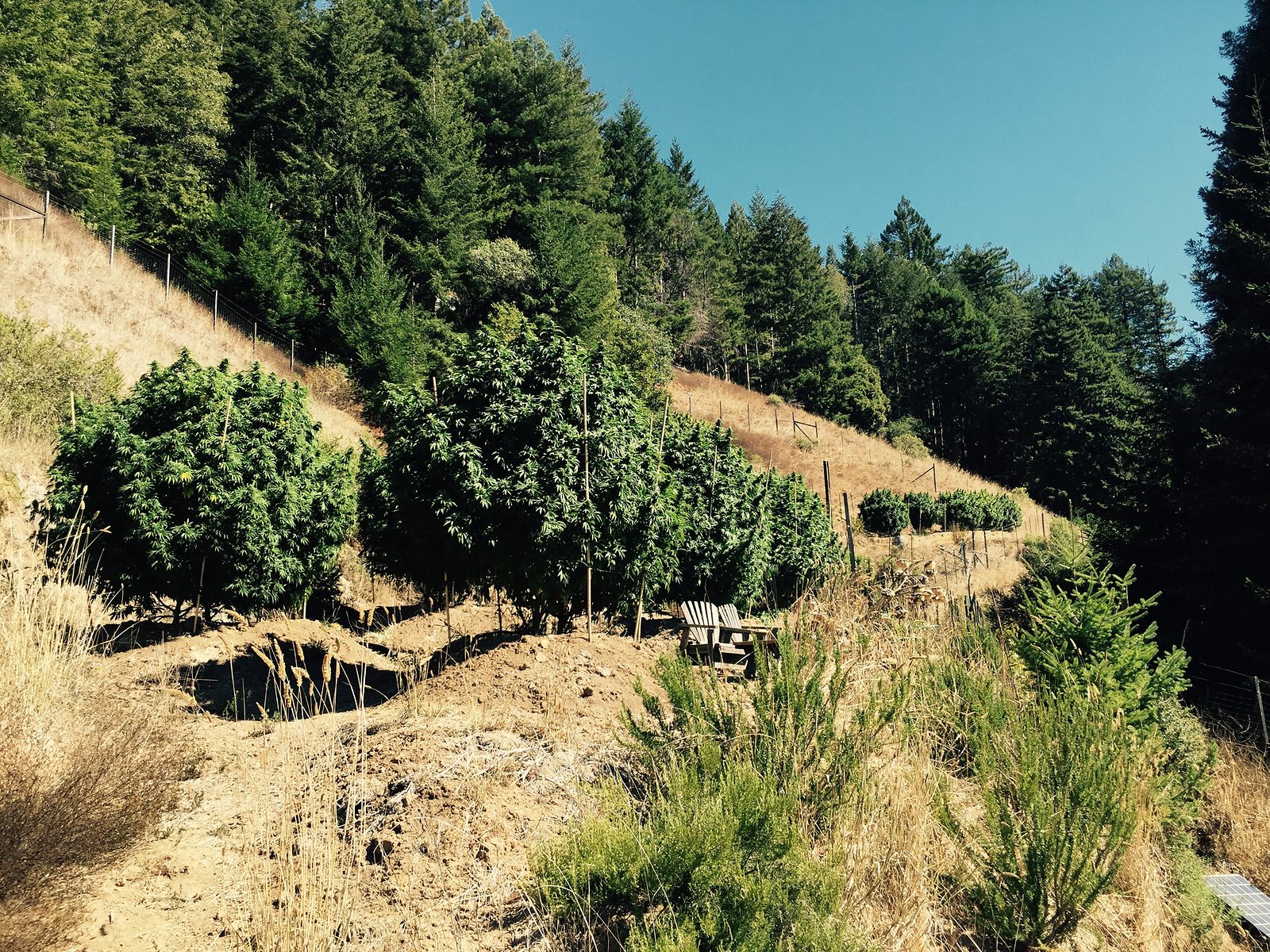
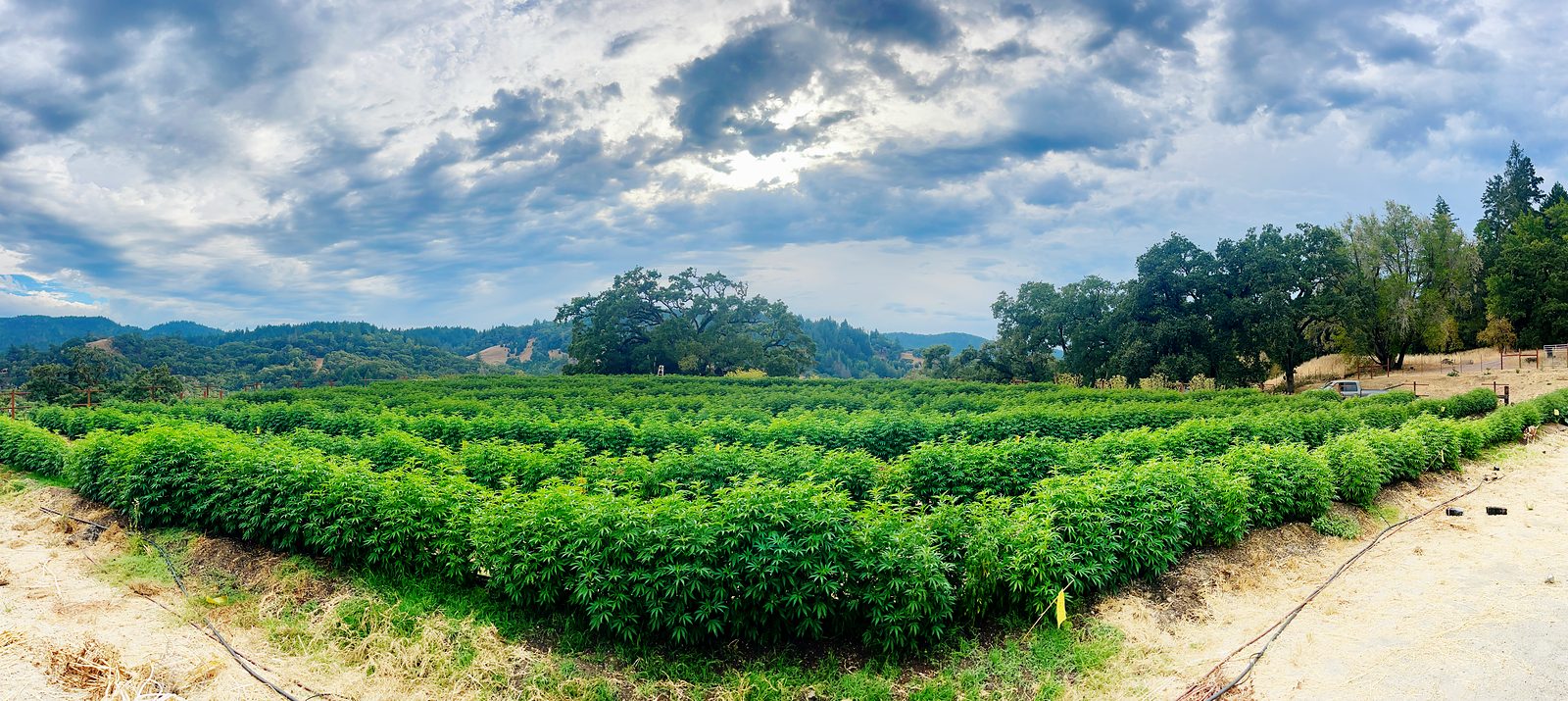
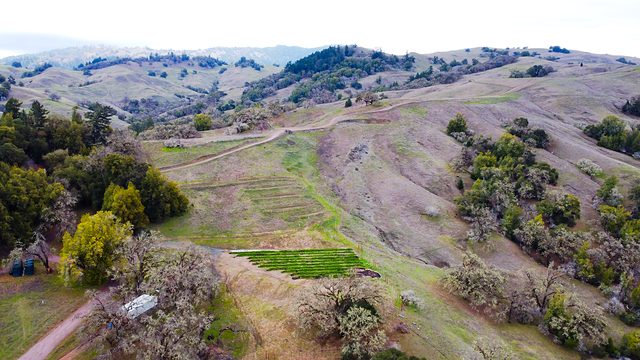
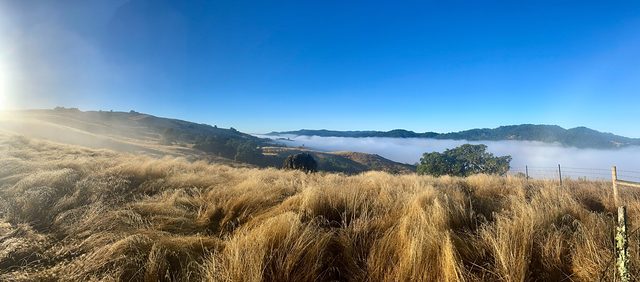
Commercial cannabis is often reduced to one number: a THC percentage. We care about the entirety of the plant: a one-season crop grown in living soil under the northern California sun, with a minimal input list we are proud of. Peer-reviewed comparisons show that cultivation environment can change cannabinoid and terpene profiles. They explain clearly why the field, the season and the finished flower belong to the same story.
Cannabis is chemically complex. THC is part of the story, alongside other cannabinoids, terpenes, flavonoids and compounds that vary by genetics, environment, harvest and handling. A potency number cannot describe all of that.
In 2023, a Columbia University–led team compared genetically identical plants from two cultivars grown indoors in artificial media and outdoors in living soil. Using chromatography and mass spectrometry, the researchers found significant differences between environments.
The outdoor samples had a greater preponderance of sesquiterpenes, including β-caryophyllene, α-humulene, α-bergamotene, α-guaiene and germacrene B. The indoor samples had more oxidized and degraded cannabinoids. It makes one point clearly: growing environment can change composition.
One of those terpenes deserves its own line. A 2008 PNAS paper showed that β-caryophyllene binds selectively to the CB2 receptor as a functional agonist. The authors called it a dietary cannabinoid. It is also found in black pepper and is not psychoactive.
A 2024 Johns Hopkins–led controlled study offers a narrower example of interaction. Twenty adults inhaled isolated THC and d-limonene in several combinations. Anxiety-like ratings decreased as the limonene dose rose, with statistically significant reductions at the highest tested combination.
Indoor and outdoor crops can both face pests, mold and contamination. We will not use a cultivation category as a shortcut for purity. We can speak for our own practice though: no synthetic pesticides, herbicides or fungicides are applied to this crop, and we do not run a synthetic feeding program.
We leave the plant alone the best we can. We do not deleaf or spray. Those are decisions to intervene on a plant that has not asked for help — and each is also a task, which is why this farm needs only a few trusted hands.
We are not going to tell you what any of that will do for you. The experience is yours to behold. Outdoor, natural flower is clearly the way to go if you are seeking the most pleasant, authentic, and potentially medicinal experience. What we can promise is that our method of one sun, one season, one harvest, and transparency of process, is what gives a unique product capable of showing off the cannabis plant's most cherished qualities.


